
Two patients can use the same type of medication and need very different care. Dose progression, side effects, appetite response, health history, goals, and other medications all matter. Riverhead monitors the patient—not simply the prescription.
Evaluate
Prescribe
Monitor
Adjust
Support
THE PEOPLE BEHIND THE PROGRESS
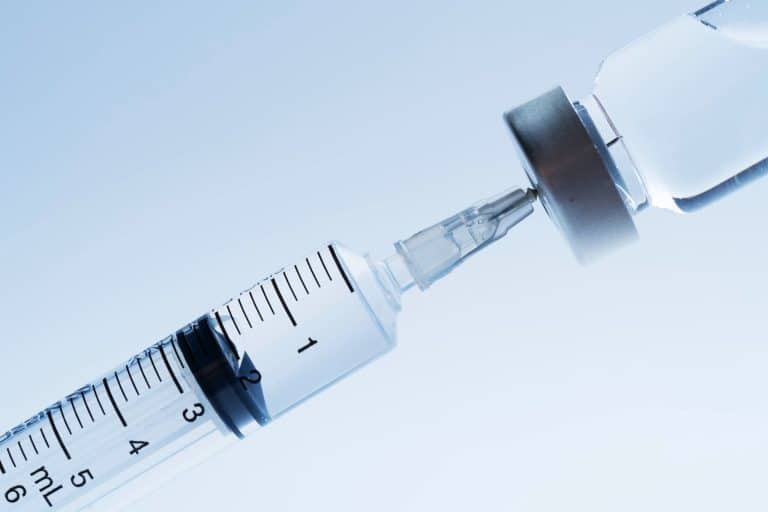
GLP-1 medications can help reduce appetite and food cravings. Treatment involves a once-weekly subcutaneous injection. Your medical team reviews your health history, monitors your response, and adjusts your plan over time. Individual results vary.
What is GLP-1 medication?
GLP-1 is a medication used for weight loss. It works by mimicking the actions of a hormone called GLP-1 which is naturally released from your GI system after you have had a meal and telling your brain that you are full.
What are the common side effects of GLP-1 medication?
Common side effects include nausea, constipation, diarrhea and abdominal discomfort. These are usually mild and diminish as a patient continues on the medication.
How is GLP-1 medication administered?
GLP-1 medication is administered through a subcutaneous injection, typically once a week.
How long does it take to see weight loss results with GLP-1 medications?
Weight loss results vary, but some patients may start seeing results within a few weeks of treatment. Optimal results are often observed over a period of months.
Can I stop taking GLP-1 medications once I reach my weight loss goal?
GLP-1 medications may be part of a long-term weight-management plan. The decision to continue, adjust, taper, or stop medication is made with your care team based on your health history, progress, and treatment response.
How quickly will I lose weight on GLP-1 medications?
Because GLP-1 medication starts at a small dose that increases over a period of several months, most patients will lose the majority of their weight later in treatment. The good news is that unlike weight loss interventions we have had in the past, many patients will continue to lose weight on GLP-1 medications even after a year of treatment.
Am I a good candidate for treatment for GLP-1 medications?
When considering GLP-1 medications for weight loss, it’s important to be aware of specific contraindications. Our clinic emphasizes patient safety and thorough evaluation before starting any treatment. Here are the key contraindications:
– History of Medullary Thyroid Carcinoma or Multiple Endocrine Neoplasia Syndrome Type 2
– Pregnancy
– Severe Gastrointestinal Disease
– Severe Renal Impairment or End-Stage Renal Disease
– Hypersensitivity to GLP-1 medications
How can I start GLP-1 medication treatment?
To begin GLP-1 medications treatment, schedule a consultation with our medical weight loss experts for an evaluation and personalized treatment plan.